Originally reported by imToken on November 11, 2026, at 21:36 (UTC+8). This article describes developments and plans as reported at that time.
For years, deploying on a rollup offered Ethereum applications a way around high mainnet transaction costs. The trade-off was a separate execution environment—and, for teams operating their own L2, the work of maintaining it. By November 2026, several projects had reconsidered that trade-off. Their decisions did not amount to an industry-wide departure from L2s; they showed that mainnet costs, liquidity, security and operational complexity were being weighed differently.
Projects reassess where to operate
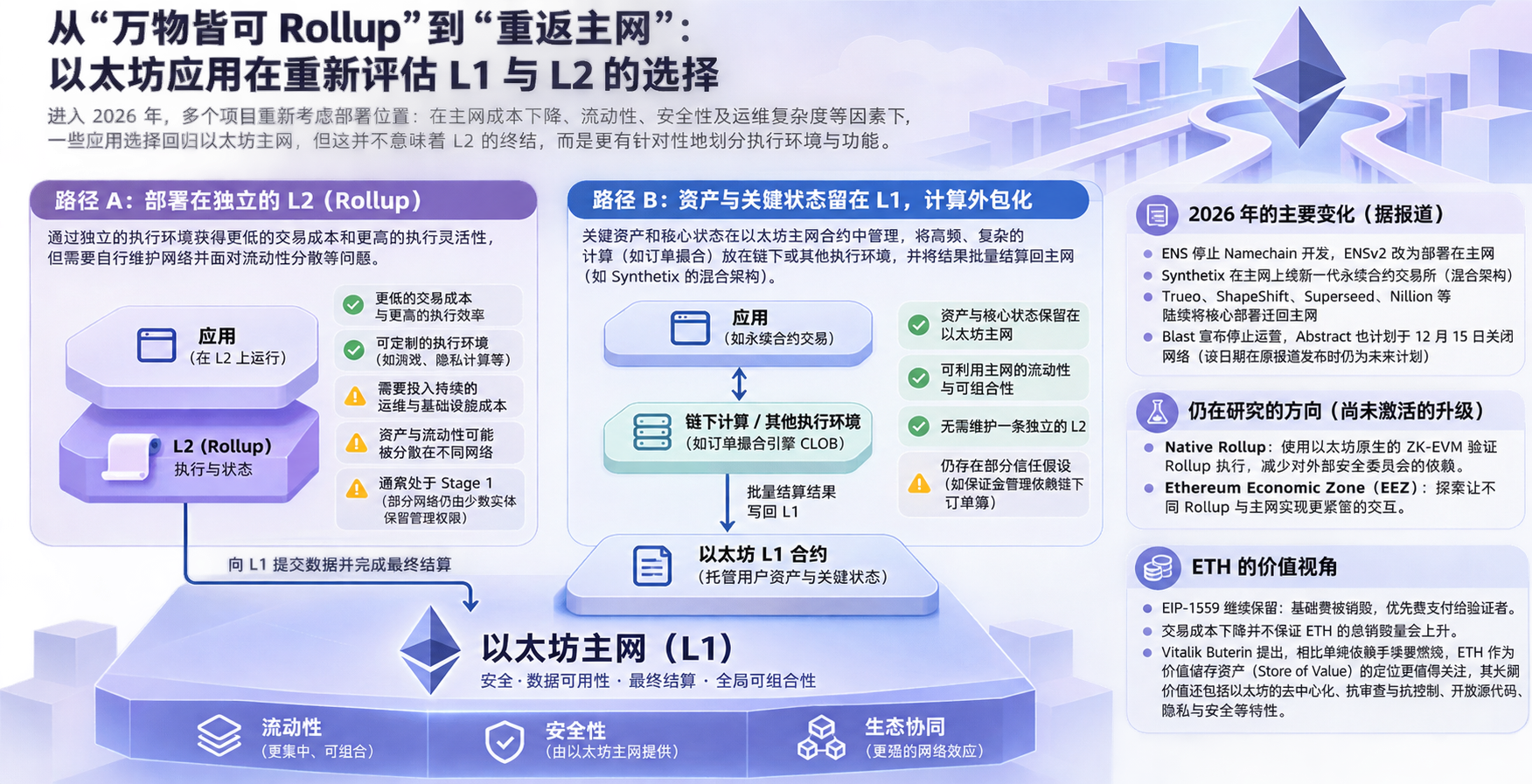
ENS Labs planned a dedicated ZK rollup called Namechain for ENSv2 in 2024. In February 2026, ENS co-founder Nick Johnson announced that development of Namechain would stop and ENSv2 would instead be deployed on Ethereum mainnet. He pointed to L1 scaling that had advanced faster than expected. According to ENS Labs, the average gas cost of an ENS name registration had fallen by roughly 99% over the preceding year, from nearly $5 to less than $0.05. Running a separate L2 would also have meant addressing cross-chain resolution, bridging, audits and continuing infrastructure costs.
Synthetix took a different route to mainnet. After publishing an assessment of L2-related liquidity fragmentation and infrastructure problems in June 2025, it launched its next-generation perpetuals exchange on Ethereum L1 that December. Its hybrid design keeps user assets in L1 contracts, handles order matching through an off-chain central limit order book and batches settlement results back to mainnet. The source notes a remaining qualification: parts of margin management still depend on the off-chain order book, so the architecture does not eliminate trust questions.
Other reported changes had distinct motivations. Trueo announced in September 2026 that it would move its primary deployment from Base to Ethereum L1. ShapeShift moved its rFOX staking program from Arbitrum to mainnet on October 1, citing the fact that most FOX tokens were already held there. Superseed stopped its L2 network in August and planned to shift core products to mainnet, while Nillion began moving node operations from its L2 to Ethereum mainnet in October as it launched Blacklight L1.
Operating a separate network also remained an economic question. Blast announced on October 2 that it would wind down, saying network maintenance costs exceeded L2 revenue and that it saw no reliable route to sustainability. Abstract subsequently announced a planned network closure for December 15; that date was still in the future when the original article was published.
What changes—and what remains research
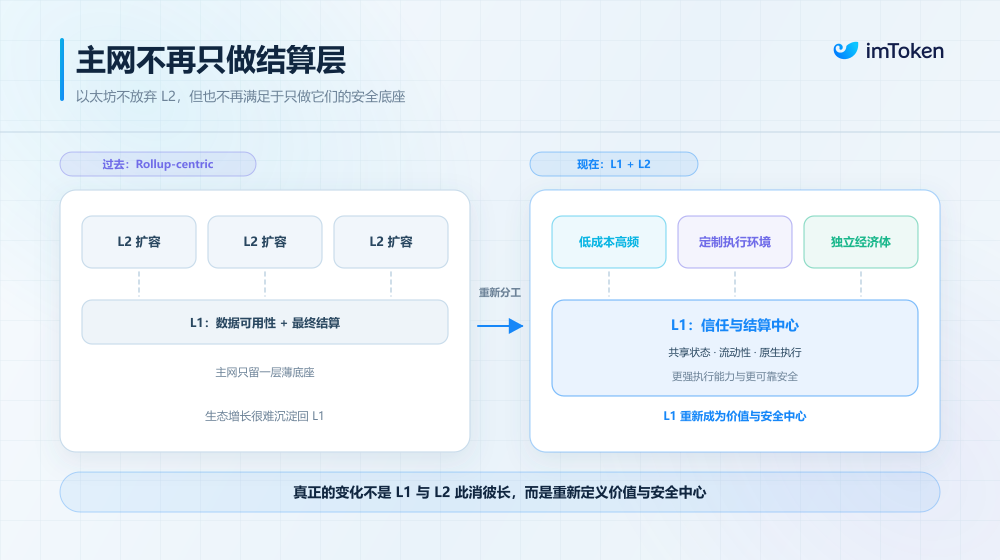
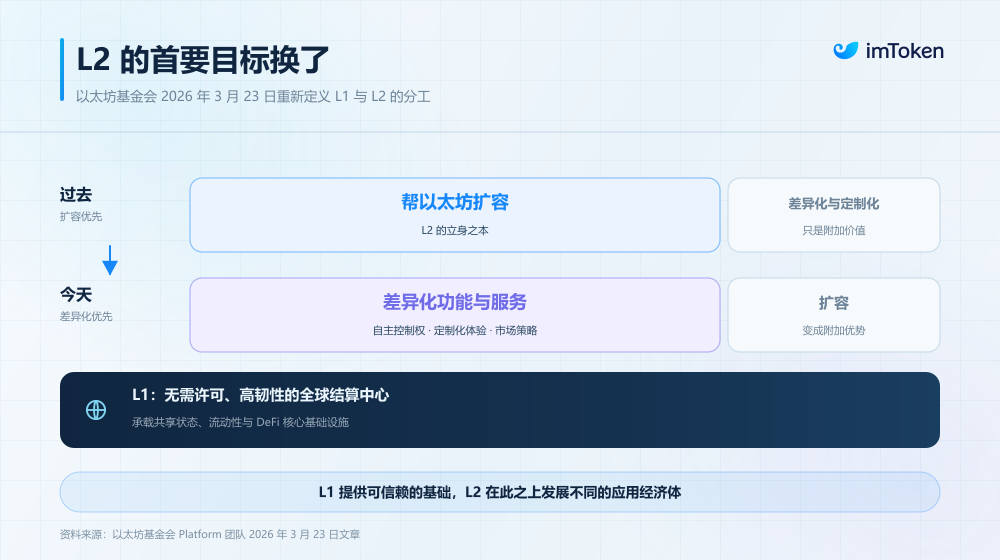
The original rollup-focused division of work placed security, data availability and final settlement on L1, with cheaper execution on L2. Separate networks, however, can divide assets and liquidity that would otherwise interact on a shared mainnet. The source cites ETHBEAT data showing that, as of November 2026, only a single-digit number of listed L2s had reached Stage 2, while Base, Arbitrum One and OP Mainnet remained at Stage 1. A Stage 1 network should not be treated as having the same decentralization properties as Ethereum L1; the article also notes that some operators may retain administrative powers for regulatory or commercial reasons.
One architectural response is to keep assets and critical state on L1 while placing demanding computation elsewhere, as Synthetix has done. A longer-term research direction discussed in the source is native rollups: using Ethereum-native ZK-EVM verification of rollup execution to reduce reliance on external security committees. The Ethereum Economic Zone is another approach seeking closer interaction among rollups and mainnet. These are research and development directions, not activated Ethereum upgrades. L2s still serve applications that need high-frequency execution, privacy computation or control over their execution environment.
The ETH value question
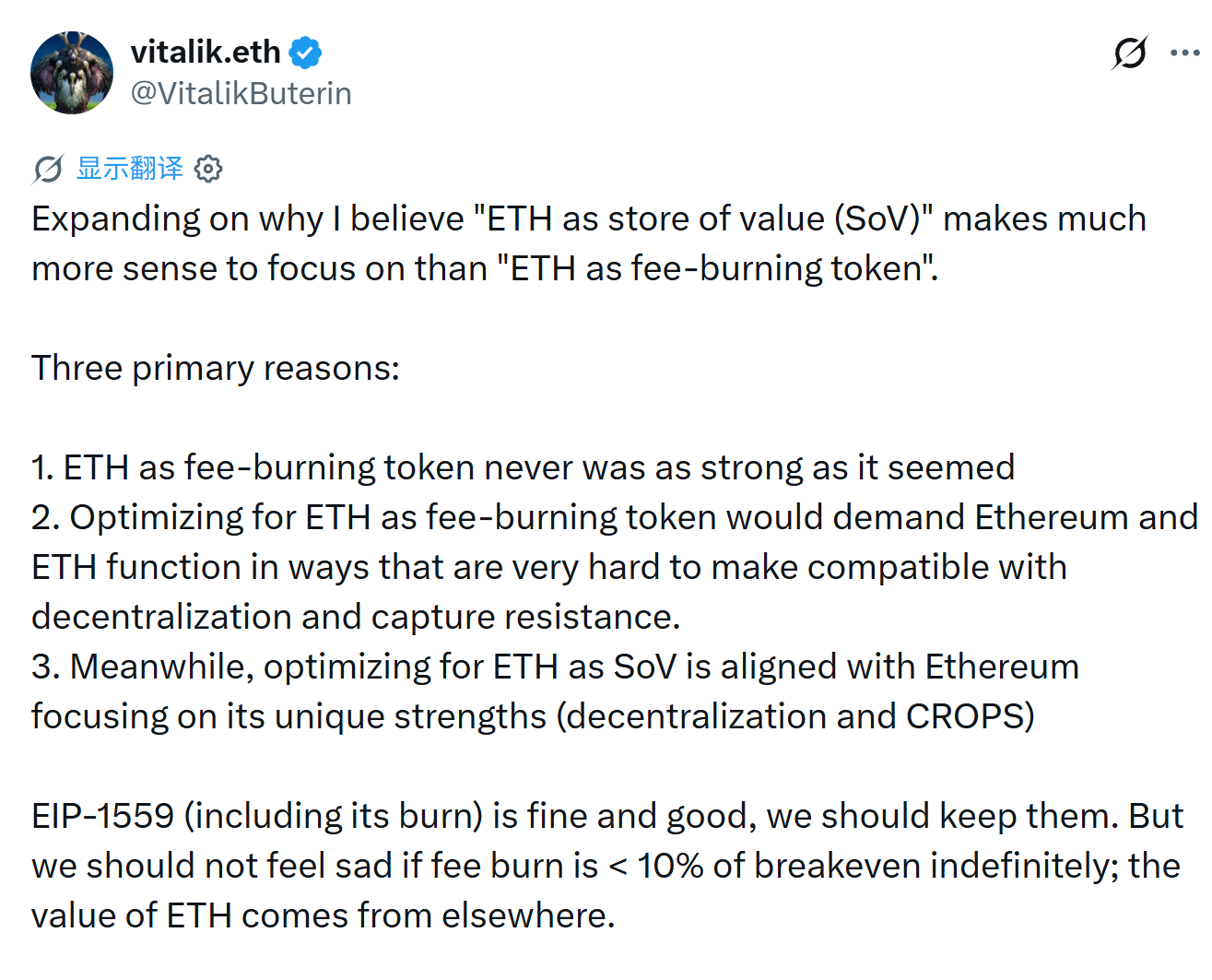
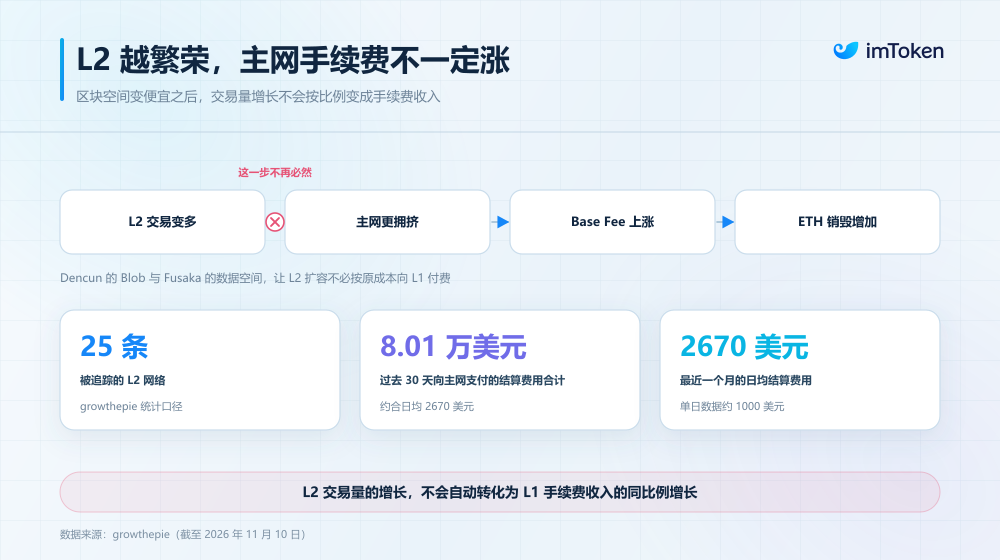
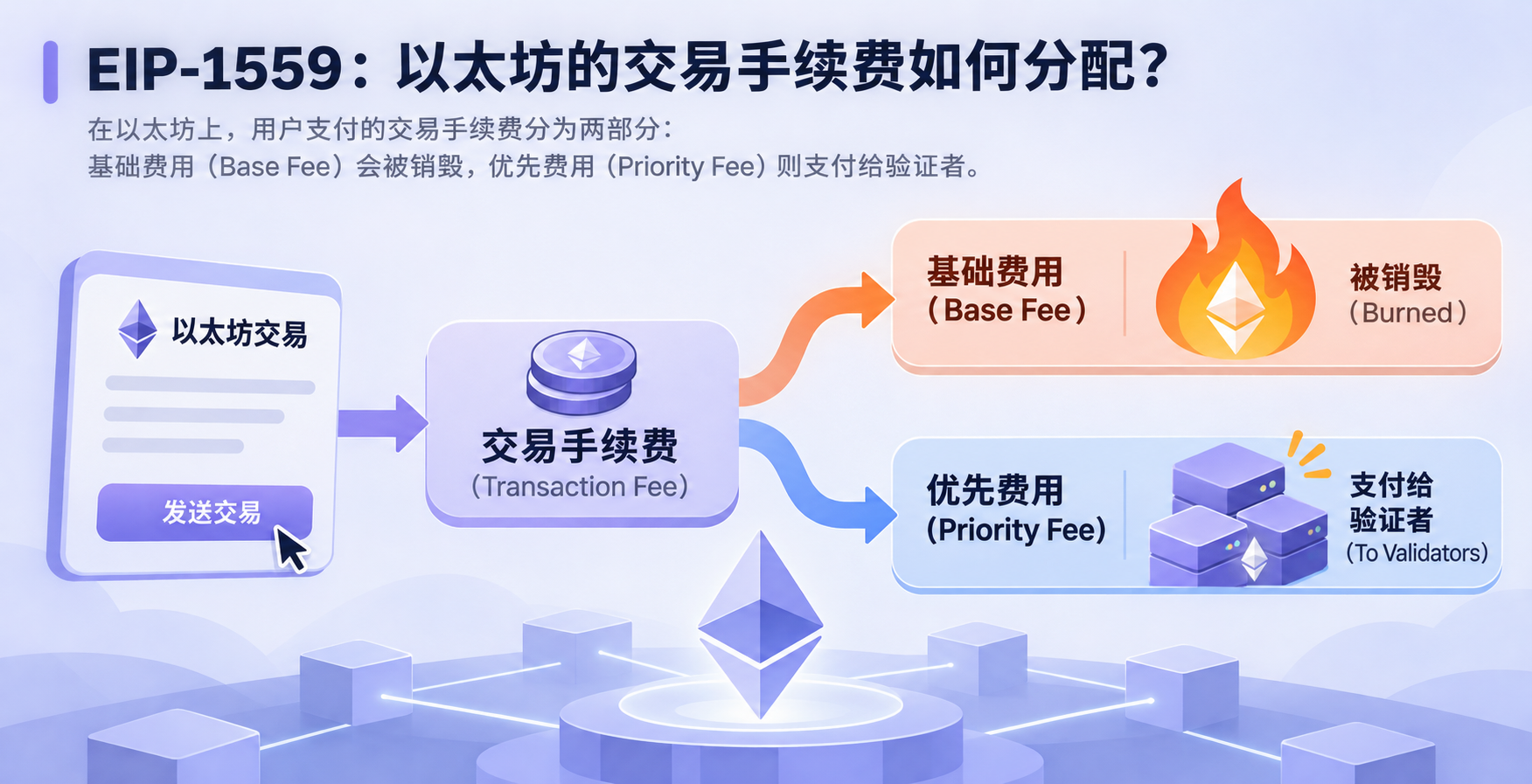
Cheaper use of L1 and L2 also complicates a value argument centered solely on transaction-fee burning. Under EIP-1559, the base fee is burned and the priority fee goes to validators. Lower costs per transaction do not guarantee that aggregate ETH burning will rise, even if activity grows.
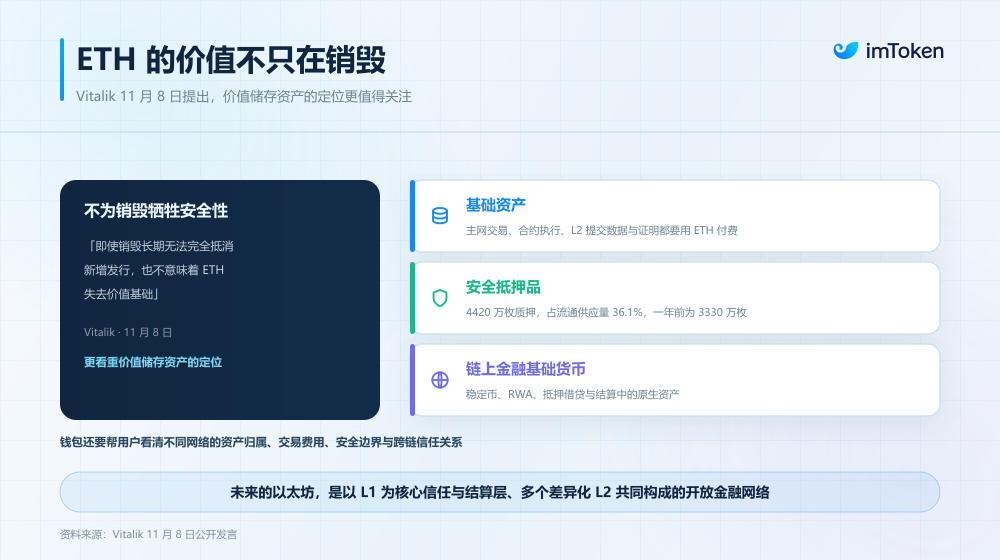
The source presents Vitalik Buterin’s view that ETH’s role as a store-of-value asset deserves more attention than a thesis based chiefly on fee burning. He did not propose removing EIP-1559’s burn. Rather, the argument is that Ethereum’s decentralization, resistance to censorship and control, open-source character, privacy and security may matter more over the long term than maintaining high fees to maximize burns.
The choices reported in 2026 therefore point to a narrower conclusion than “L2s are over”: applications are reconsidering which functions need a separate execution environment and which benefit from remaining on Ethereum’s shared mainnet. Proposed verification designs and changes to ETH’s value narrative remain separate questions from the deployments and operational decisions already reported.
Source: panewslab.com (originally published 2026-11-11 21:36 UTC+8)