In an analysis published on November 17, 2026, Castle Labs researcher Noveleader examined a gap between crypto protocols’ business performance and their tokens’ returns. The central finding: market leadership and revenue alone did not reliably predict token performance.
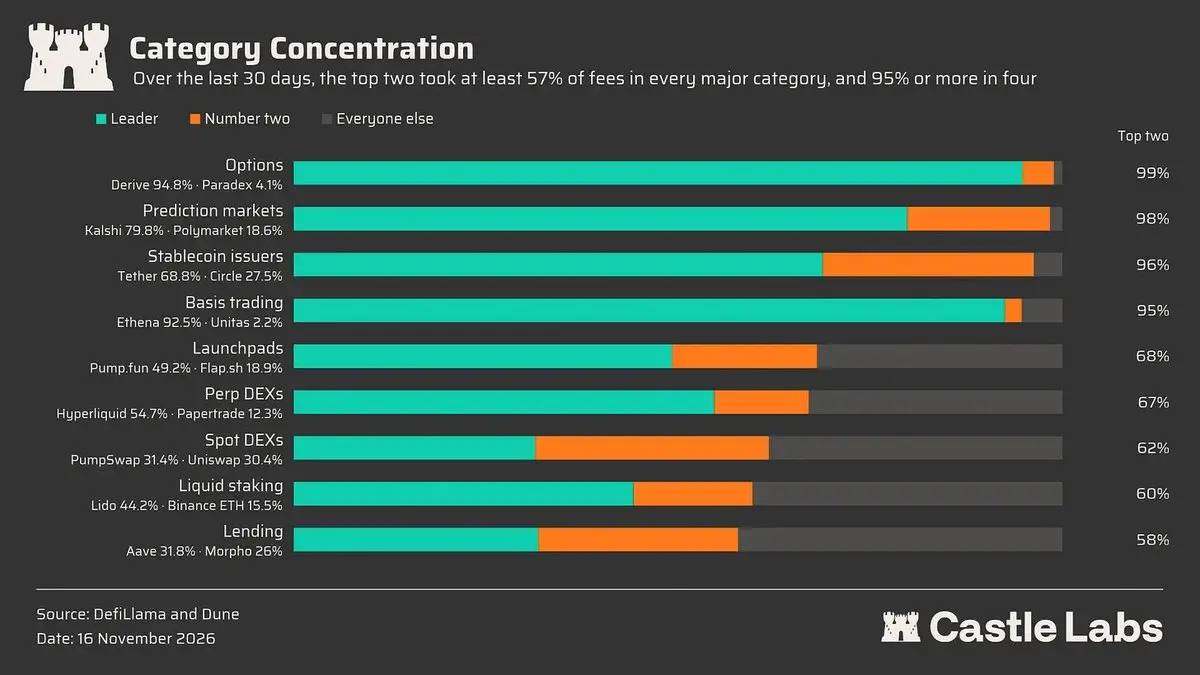
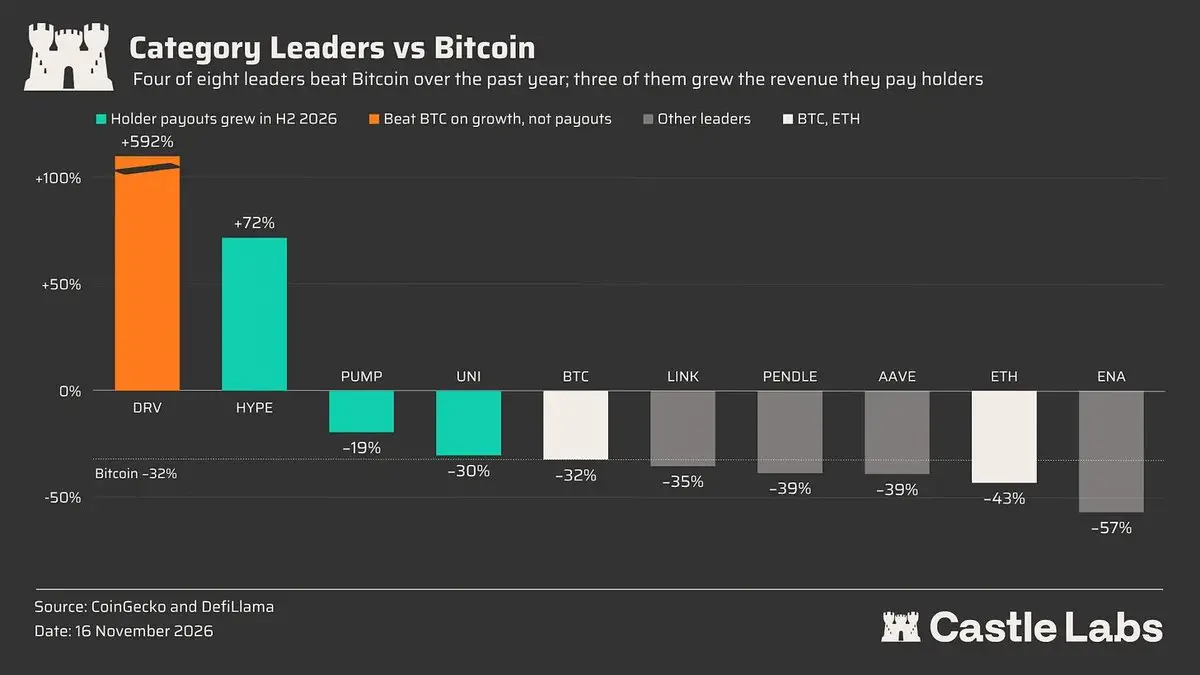
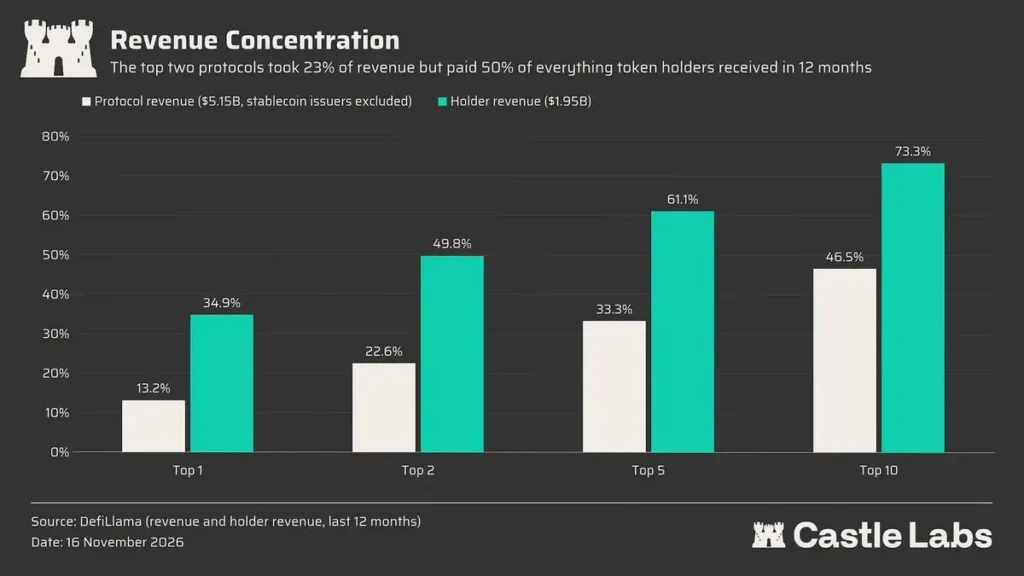
Excluding stablecoin issuers, the ten highest-earning protocols generated 47% of total protocol revenue over the preceding 12 months. The concentration was greater for revenue flowing to token holders: the top ten accounted for 73%. Across the categories studied, protocols generated $13.7 billion in revenue, and the two leaders in each category collected at least 52% of its fees. Yet, the analysis said, most category-leading tokens underperformed BTC.
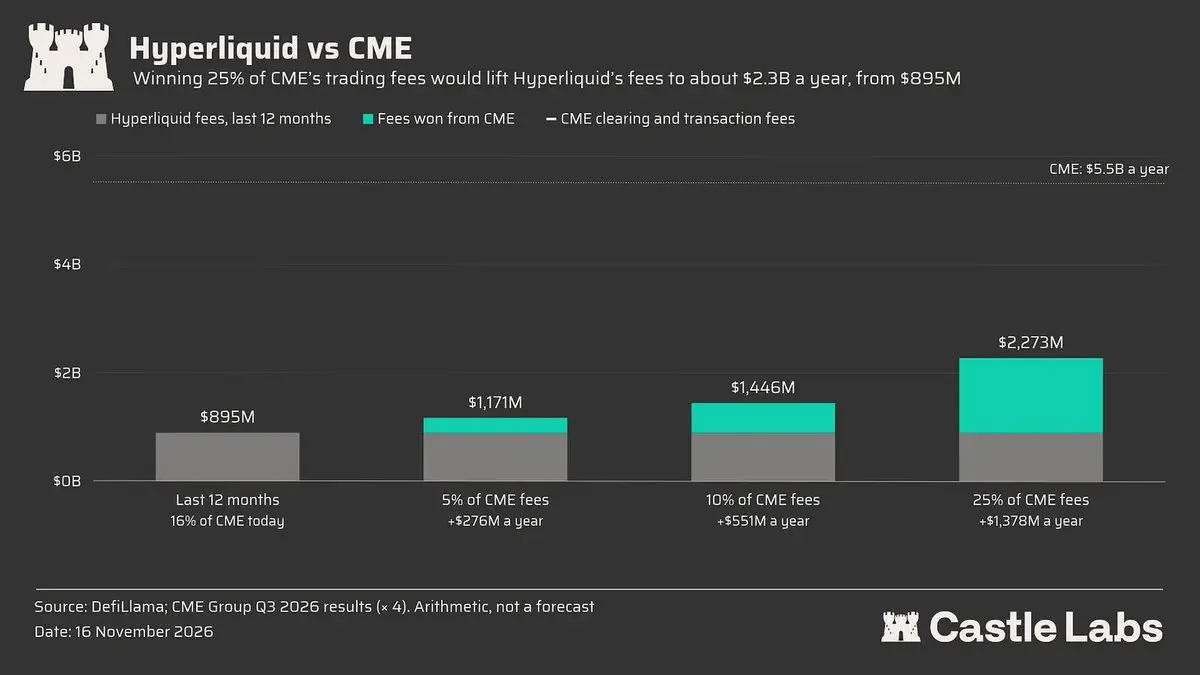
Revenue is not the same as token-holder value
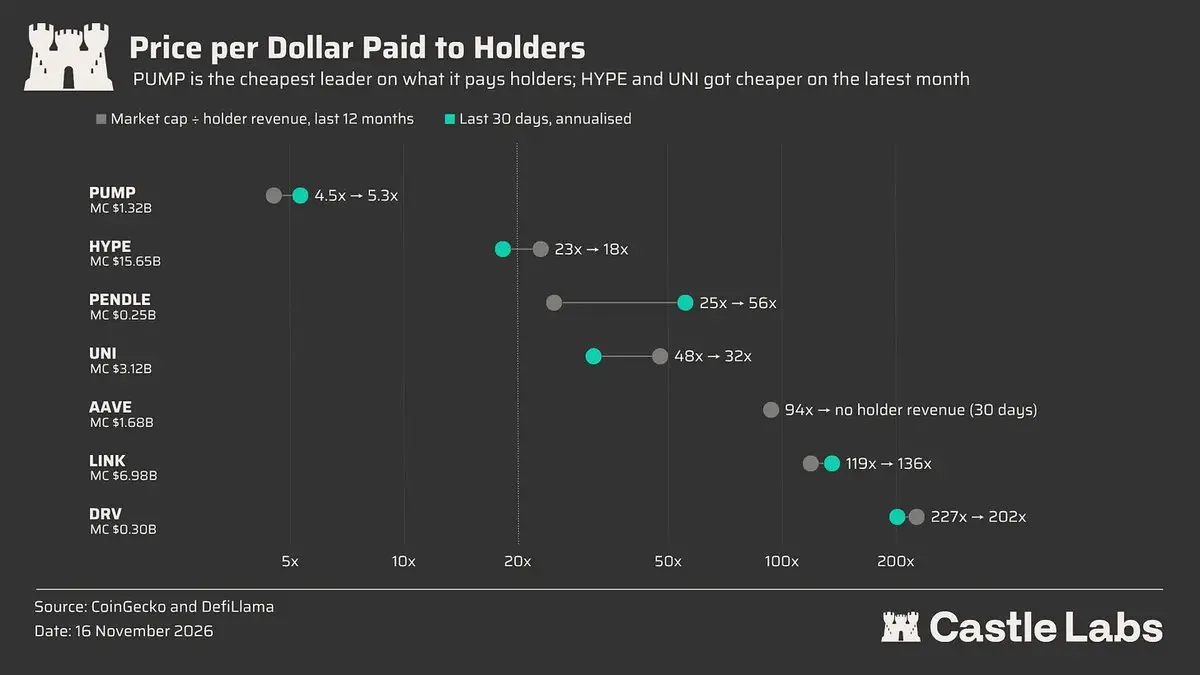
The research separates fees earned by a product from value received by its token holders. It also compares each token’s market capitalization with the preceding 12 months of holder revenue—a measure of how much the market pays for each dollar flowing to holders.
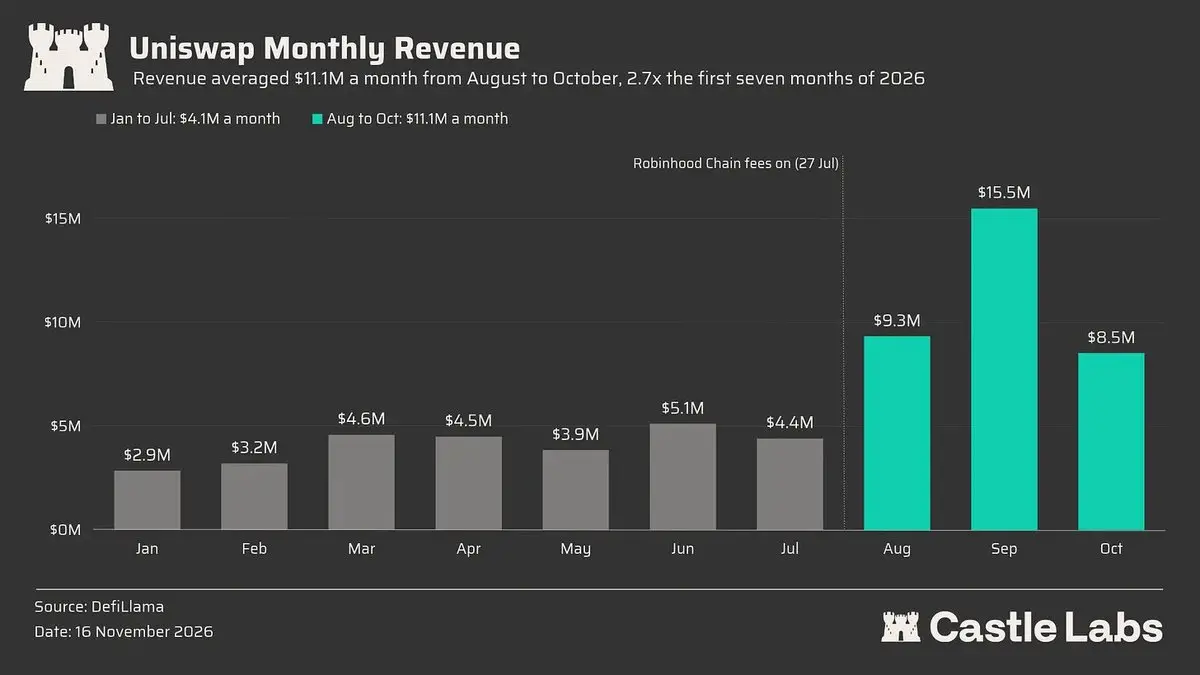
On that measure, the analysis found that Uniswap and Hyperliquid became less expensive over the preceding year, while the other tokens it examined became more expensive. Hyperliquid’s monthly revenue rose from $38 million in July 2026 to $69 million in October 2026. The author said Uniswap had been using revenue to repurchase tokens after its fee-switch and UNIfication proposal took effect earlier that year.
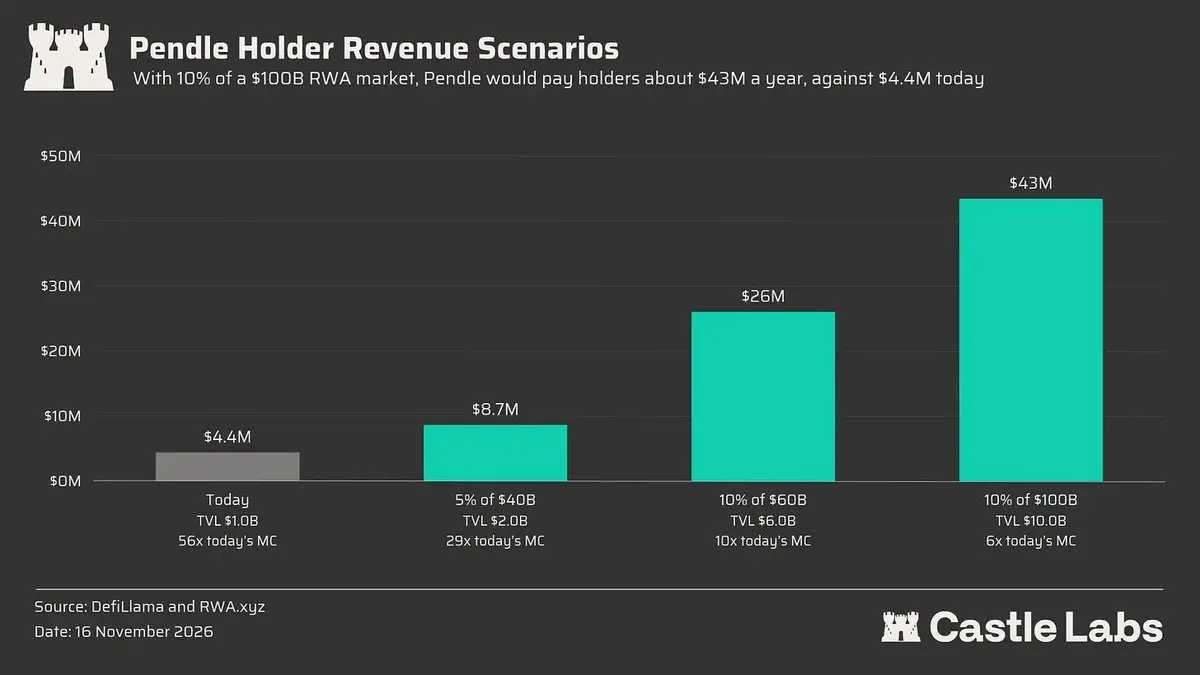
The contrasts are instructive. Derive’s token gained 592%, despite the protocol distributing only about $1.3 million to holders over the prior year; the author attributed much of its valuation to expectations for onchain options. Pendle’s monthly revenue fell from $4 million in October 2025 to $500,000 in October 2026. Aave, meanwhile, had suspended buybacks following the KelpDAO incident, according to the analysis. These examples show why a protocol’s revenue, its distributions and its token price need to be assessed separately.
The growth case—and its assumptions
The author argued that tokenization and larger addressable markets could matter as much as current cash flow, but several of the outcomes discussed remain forecasts rather than realized revenue.
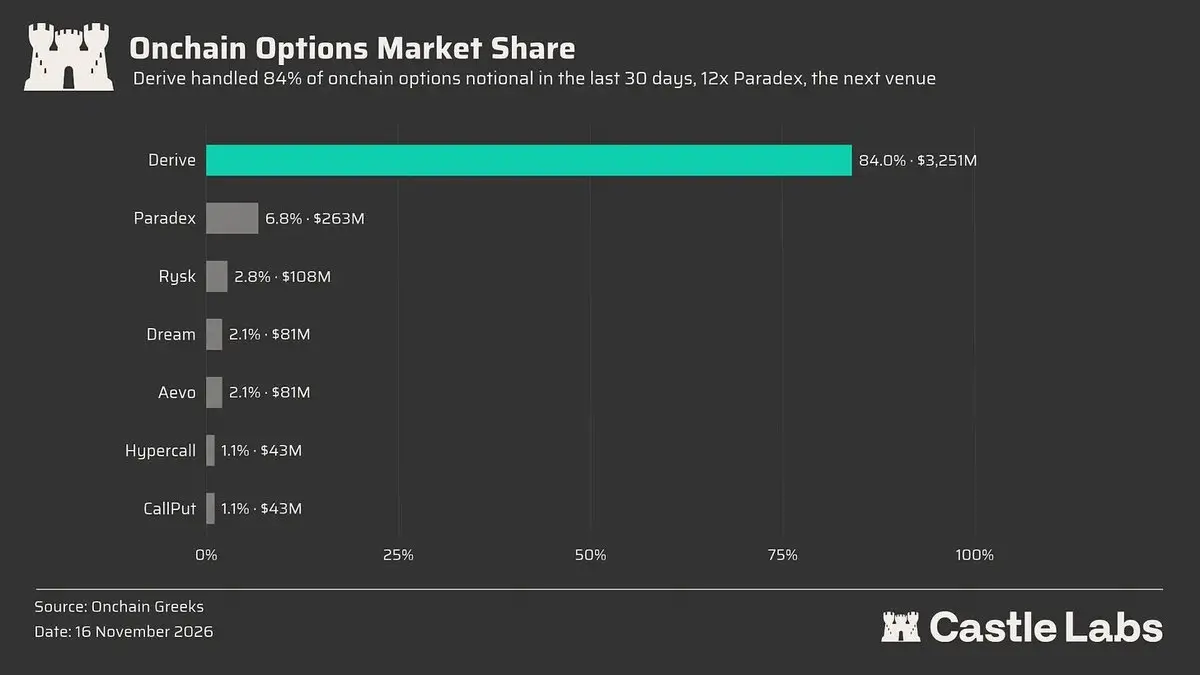
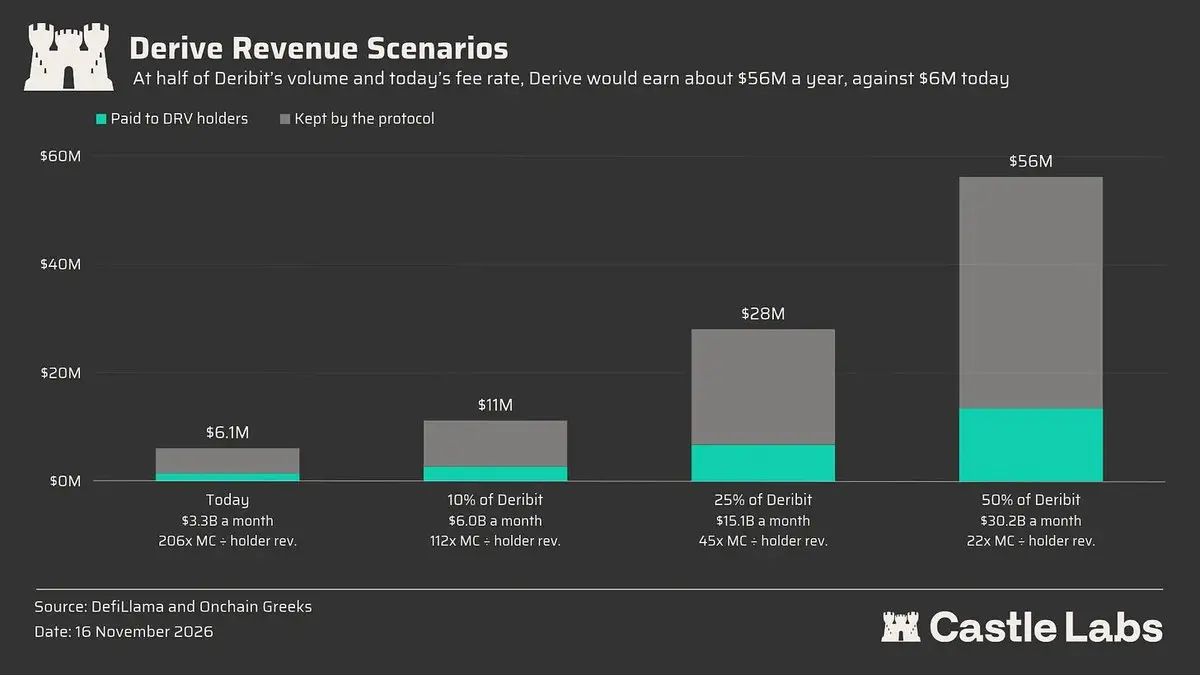
For Derive, the analysis reported roughly 73% of onchain options volume and 93% of open interest over the preceding 30 days. It put Derive’s 2026 notional volume to date at about $14.2 billion. By comparison, it reported $60.4 billion in options notional volume for the offchain venue Deribit over 30 days. Derive’s proposed route to a larger market includes its V3 features—multi-currency margin, vaults and institutional support—and forthcoming real-world-asset options. The author estimated that reaching 10% of Deribit’s notional volume could lift Derive’s annual revenue above $10 million; that is a scenario, not an achieved result.
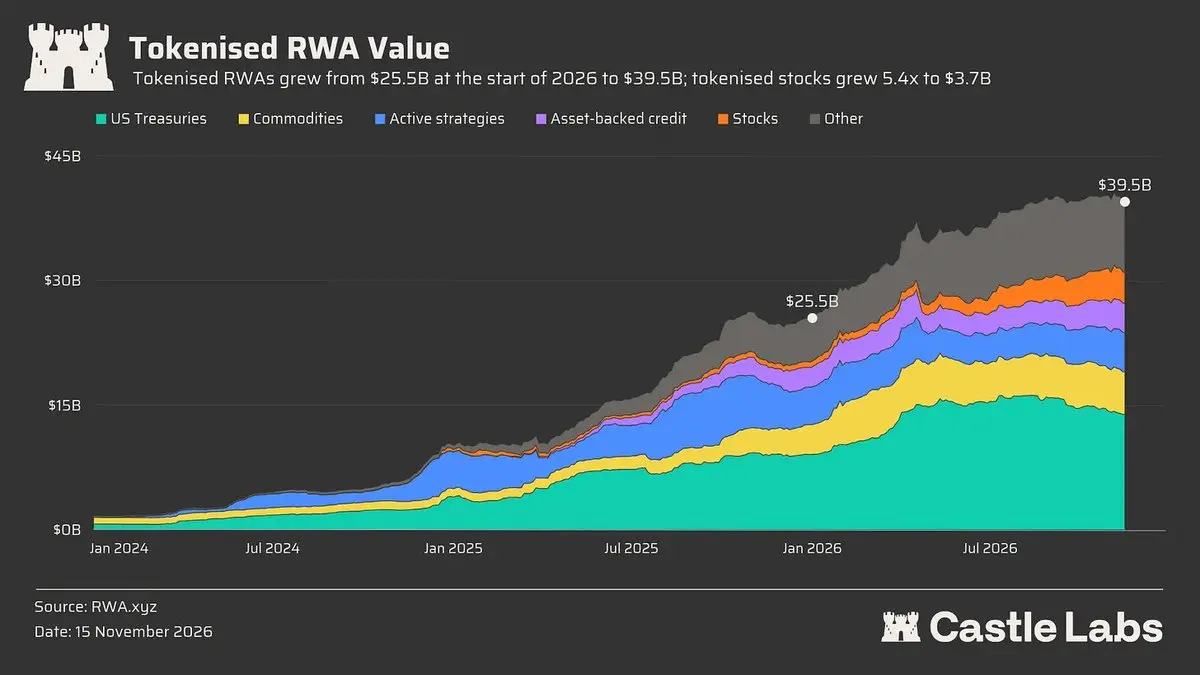
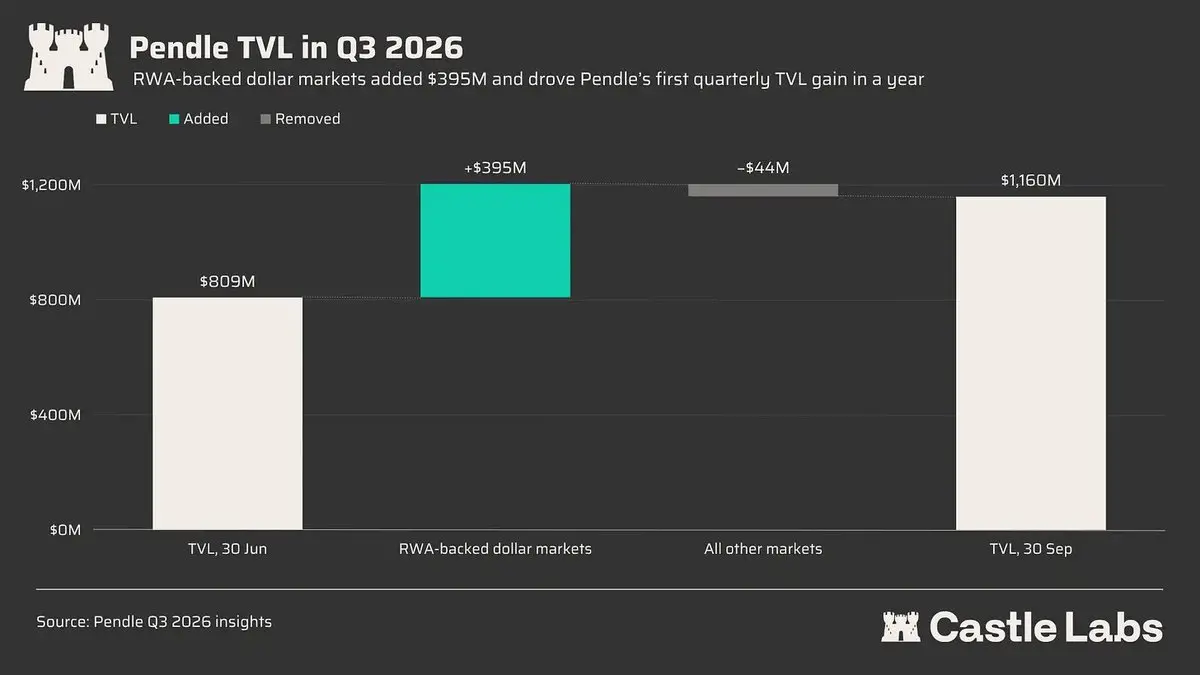
For Ethereum DeFi readers, the analysis also highlighted Uniswap’s role in spot trading and Pendle’s exposure to yield-bearing tokenized assets. It put Uniswap at 25% of spot DEX volume over the preceding 30 days and 31% of net fees over 12 months. It identified Uniswap v4 Hooks, which can support permissioned pools, as relevant to assets with transfer restrictions. For Pendle, the author reported that RWA-backed dollar markets represented 82% of its total value locked at the end of the third quarter of 2026, while TVL rose 43% during that quarter. The projected benefits of further tokenization are not guaranteed token-holder returns.
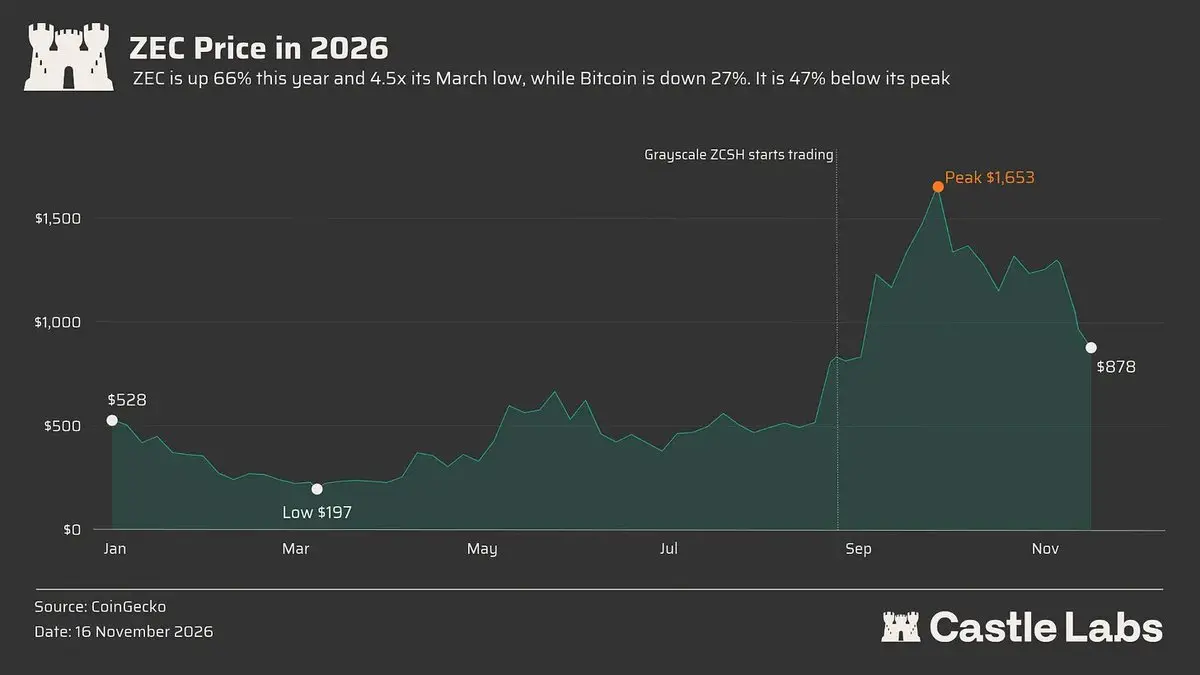
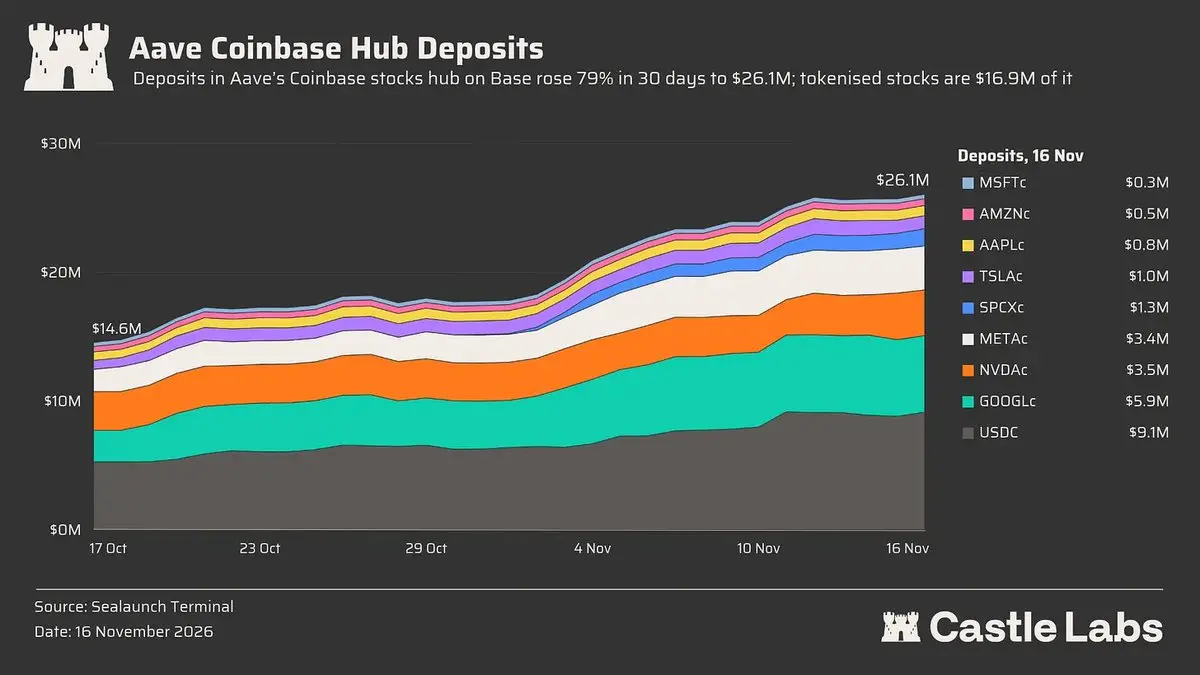
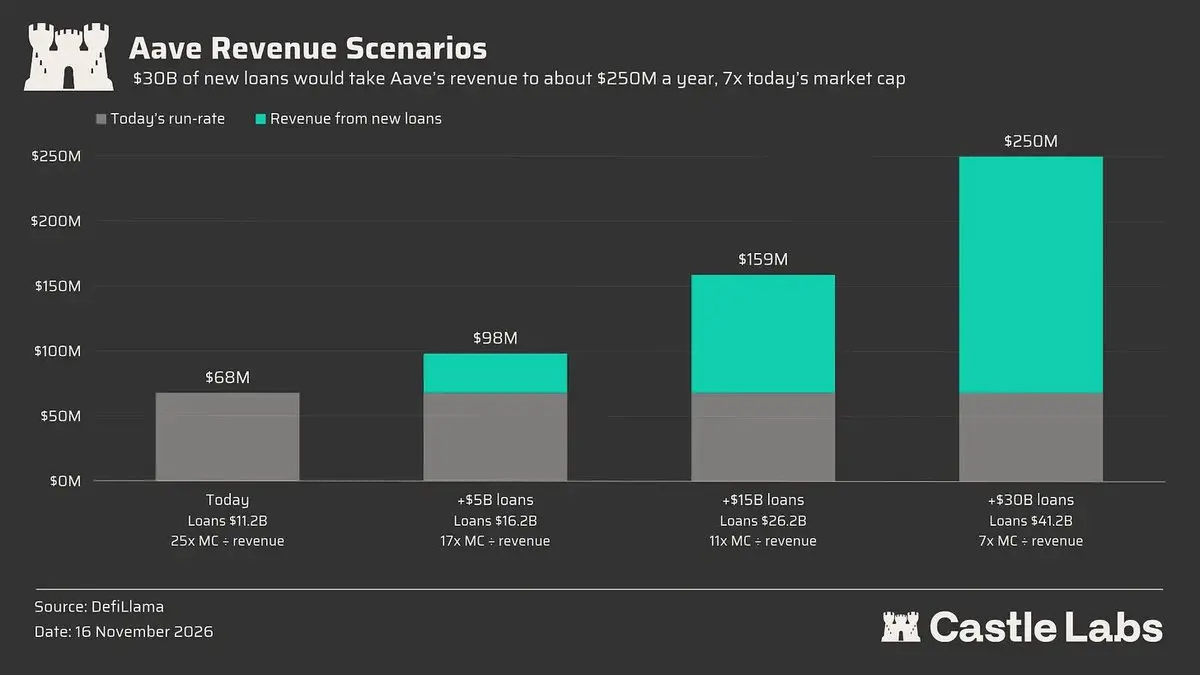
Aave offers another distinction between product growth and token capture. The analysis reported approximately $12 billion in active loans and $61 million in revenue so far in 2026, but said value distribution to token holders had stopped in April. Growth in lending would therefore not, by itself, establish a current return to holders.
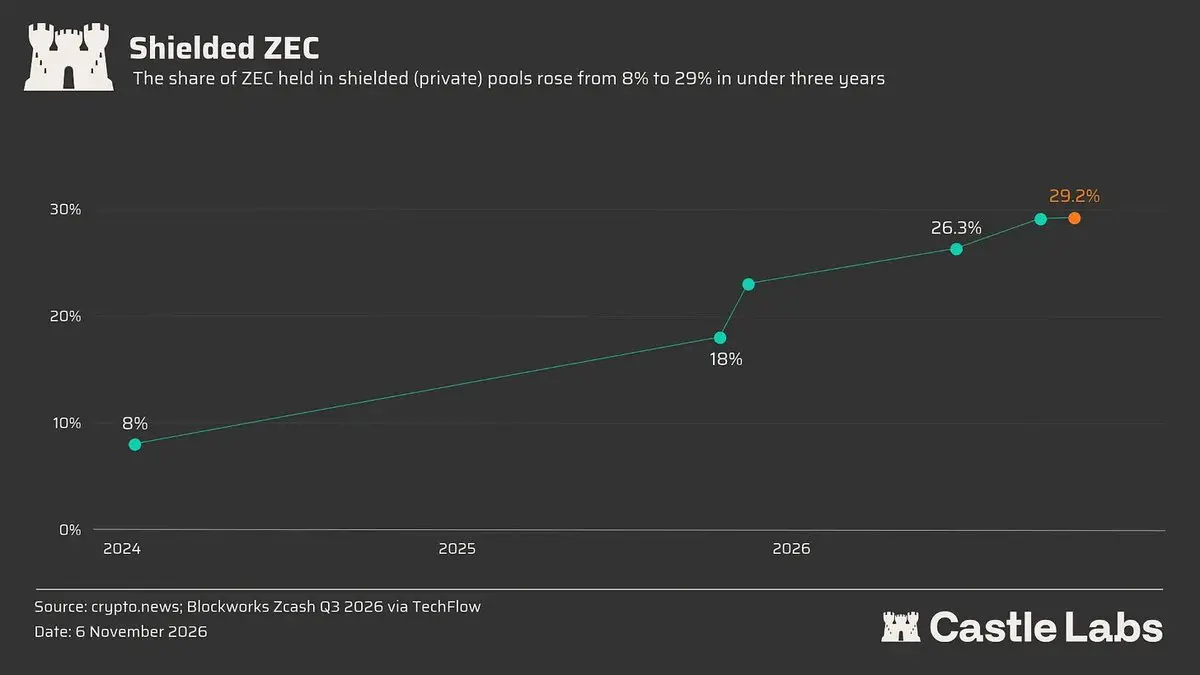
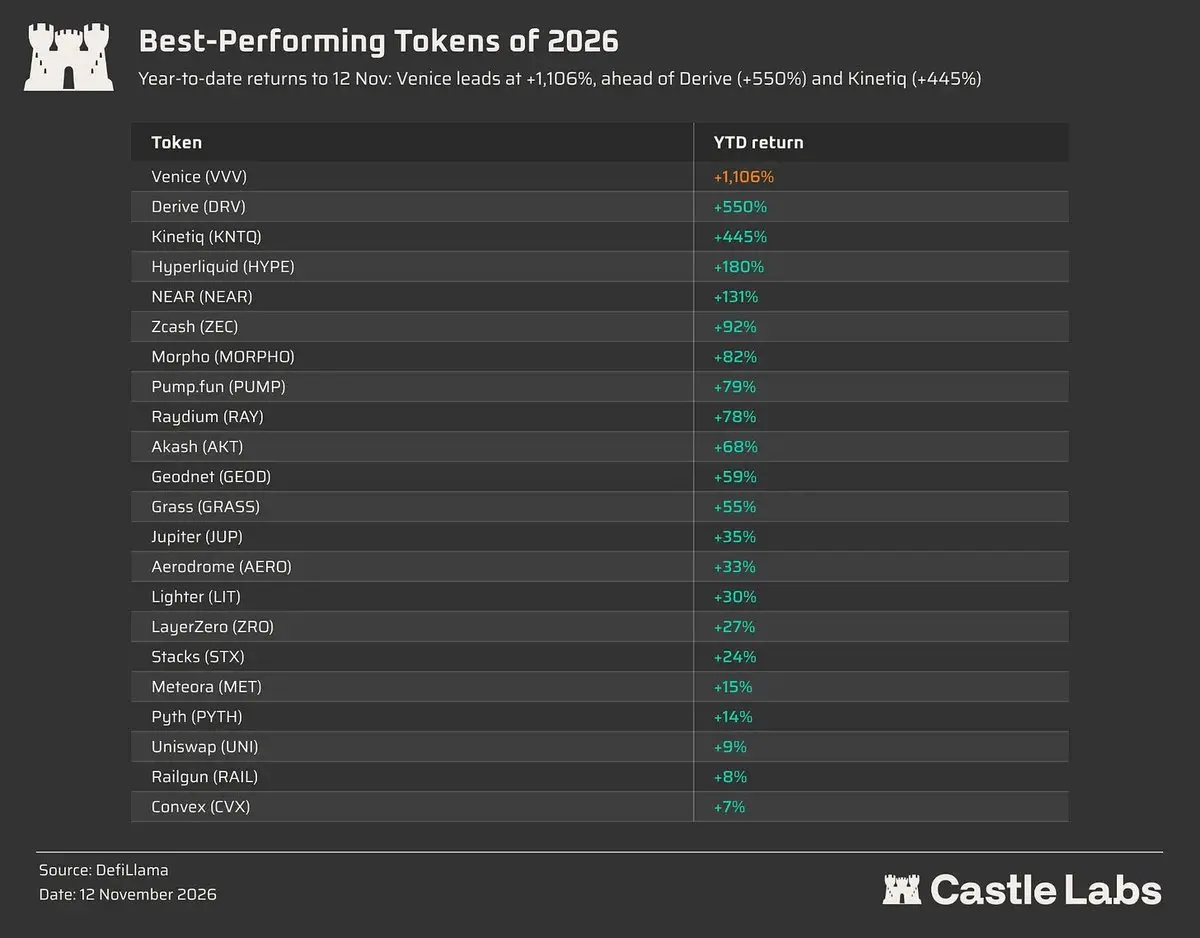
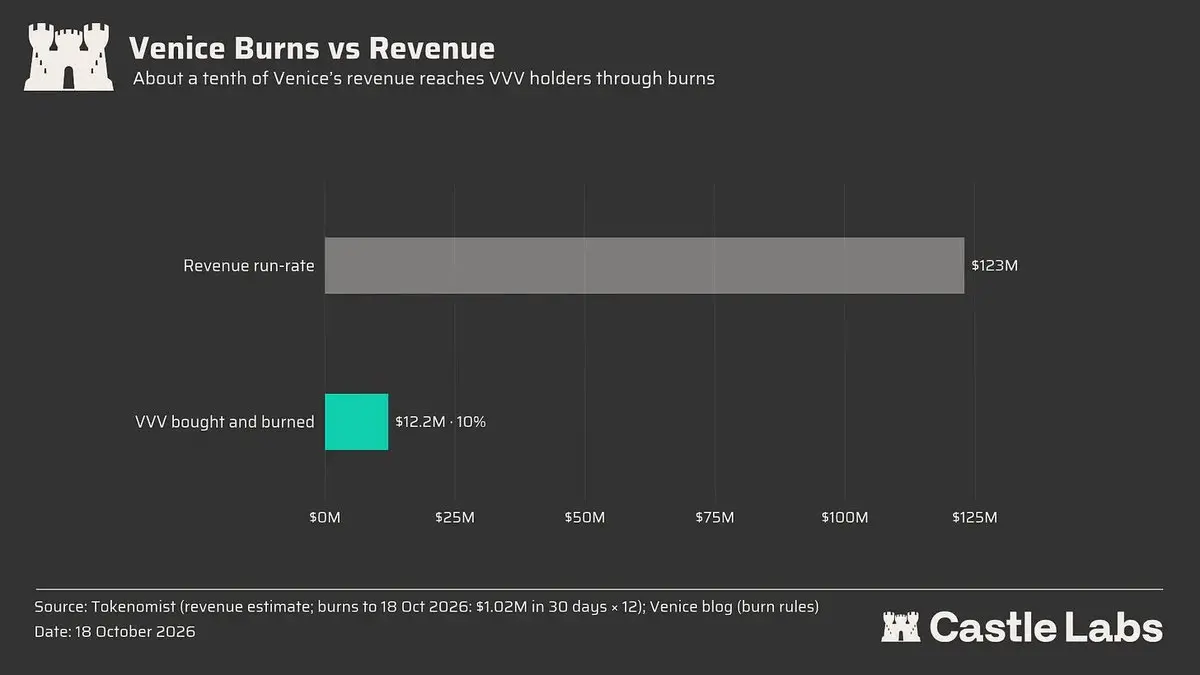
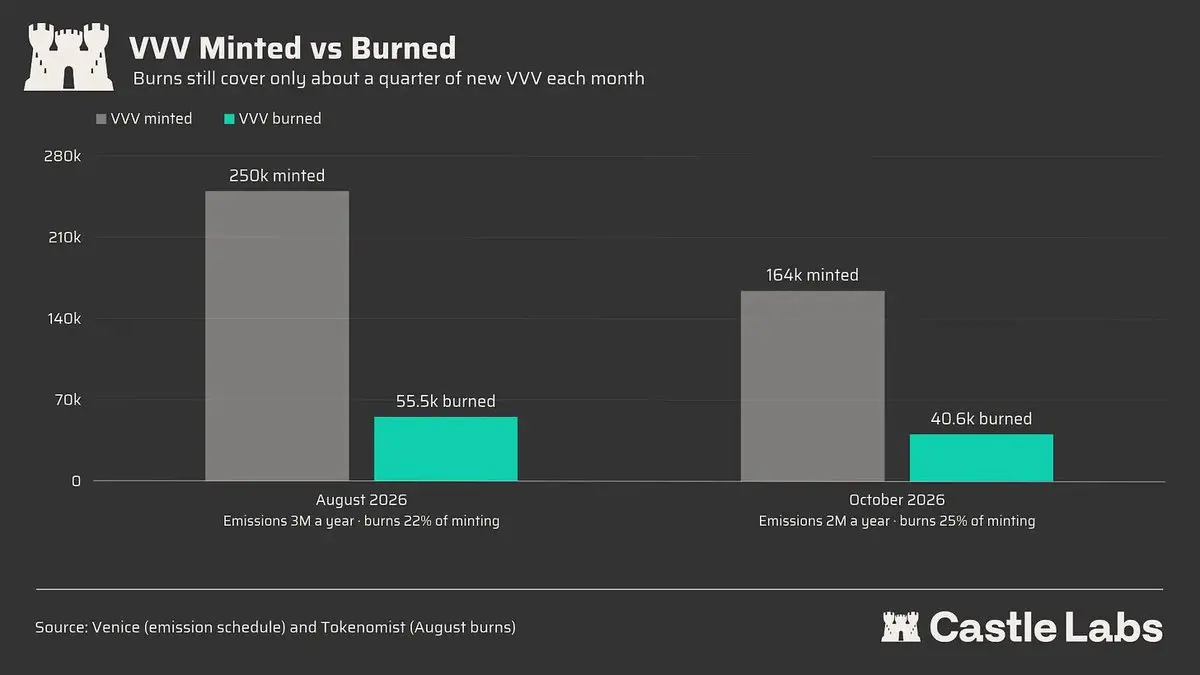
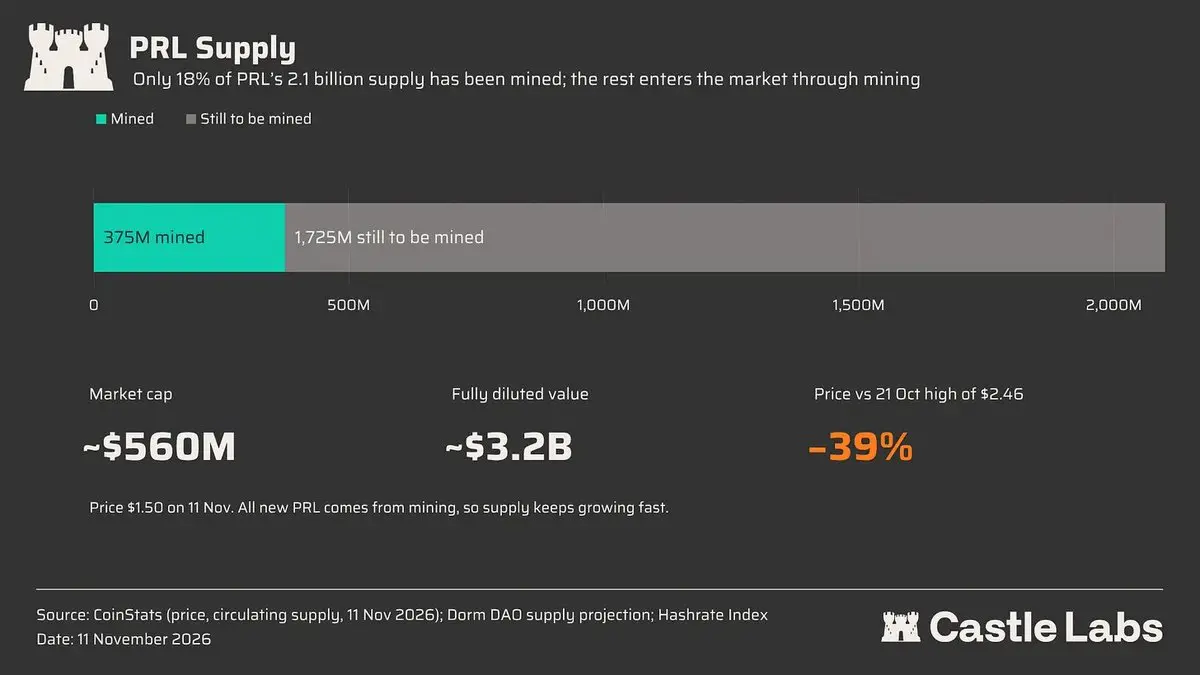
The analysis also examined Venice AI, Pearl and Zcash as cases where narratives or expectations extend beyond present revenue. Its broader conclusion was not that revenue is irrelevant: assessing a token requires looking at what the protocol earns, what holders actually receive after emissions, and how much future growth the price already assumes.